In this Barcode Site Blog we mention some examples of logistics in a company:
In today’s business world, logistics plays a crucial role in operational success and efficiency. From inventory management to delivery to the end customer, every aspect of the supply chain requires careful planning and precise execution. In this Barcode Site blog, we will explore examples of logistics in a company, how a company can improve its logistics by using technologies such as label printers, barcode readers and portable terminals.Business logistics is the area that covers all the activities and processes carried out in an organization. Its objective is to efficiently transport, store and distribute raw materials, materials and products so that they reach their destination in optimal conditions.

The logistics landscape is evolving rapidly thanks to technology. Automation, artificial intelligence and data analytics are transforming the way companies manage their logistics operations. At Barcode Site we mention examples of logistics in a company, which consists of several sections:
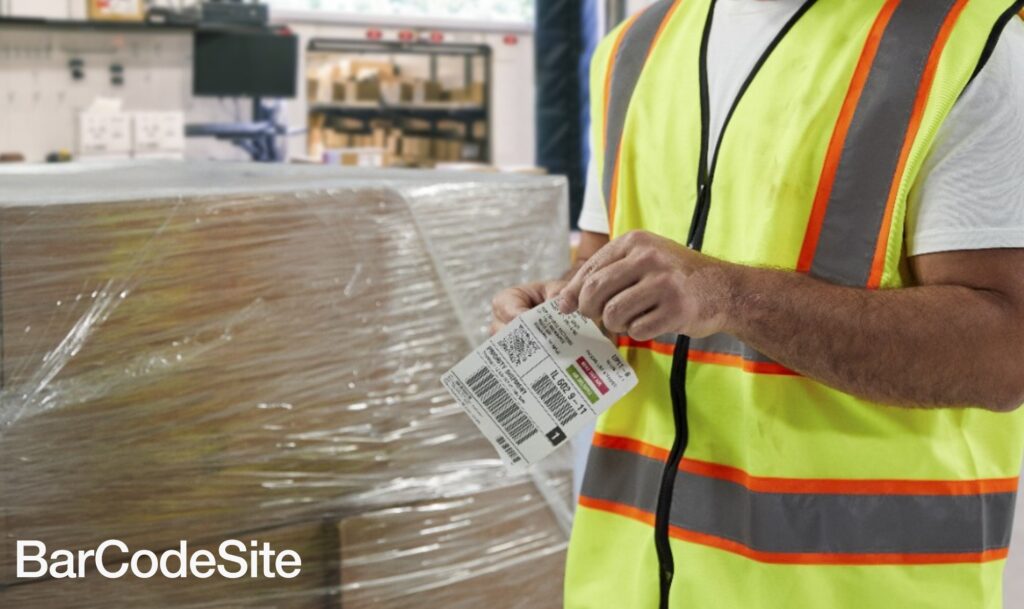
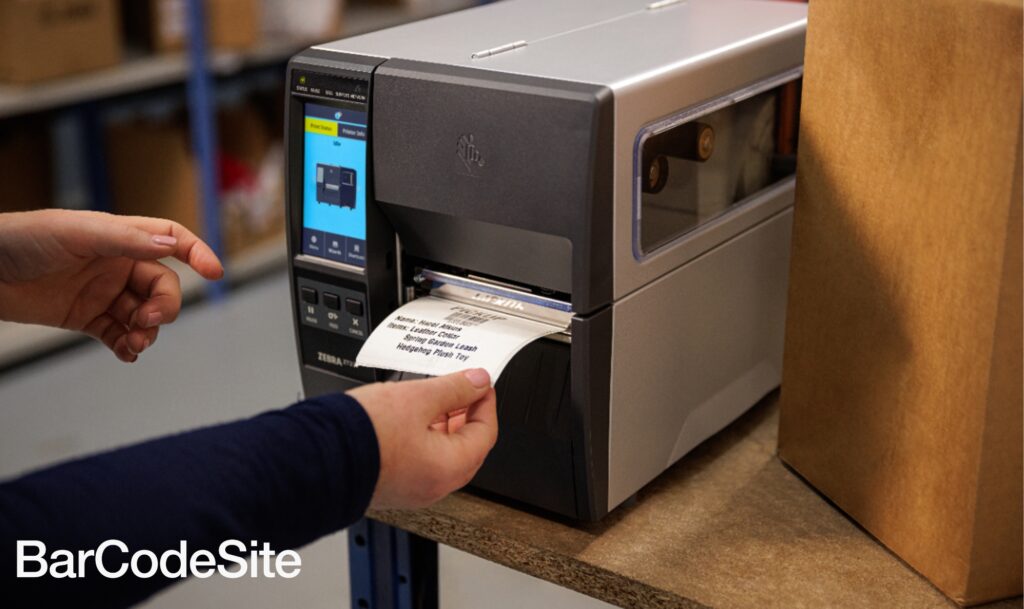
Section 1: Inventory Optimization with Label Printers. In this section, we will examine how a company can optimize its inventory management by using label printers. We’ll present examples of how printing labels quickly and accurately can facilitate product tracking, improve inventory accuracy, and reduce order picking errors. At Barcode Site we have a wide range of label printers from the best brands such as Zebra, Honeywell, Epson, among many others.
Section 2: Improving Efficiency with Barcode Readers. Here, we will explore how a company can improve efficiency in its operations by using barcode readers. We’ll present examples of how barcode scanning can streamline the goods receipt process, improve product tracking accuracy, and simplify inventory management. Discover on our website the different types of barcode readers on the market.
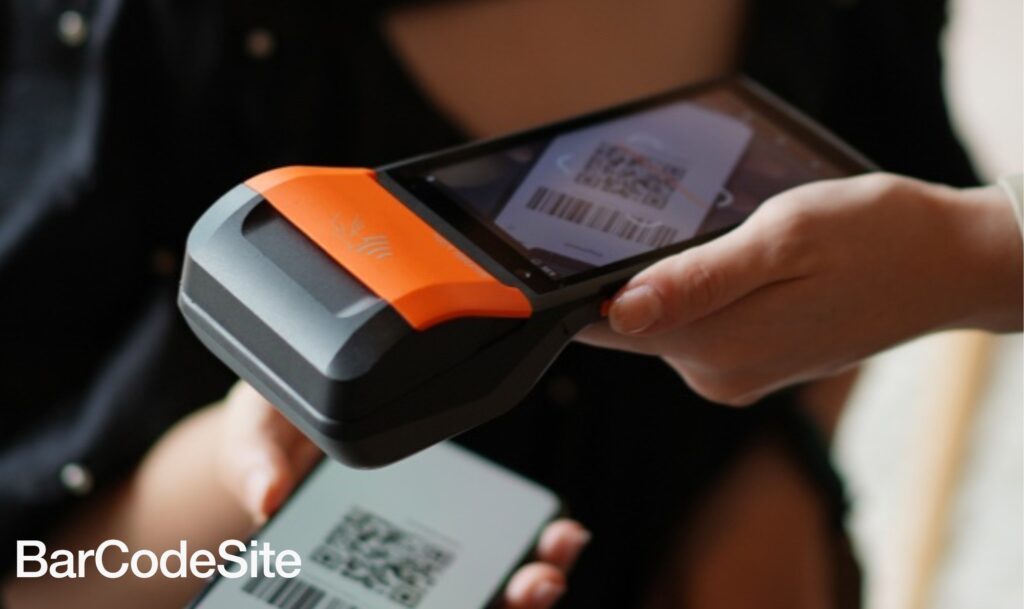
Section 3: Mobility and Flexibility with Portable Terminals. In this section, we will discuss how the adoption of portable terminals can benefit a logistics company. In some examples of logistics in a company, the use of portable terminals allows workers to perform tasks on the move, improve communication in real time and increase productivity in warehouses and distribution centers. With the portable terminals that you will find at Barcode Site, you will obtain benefits in the company’s logistics.
Section 4: Integration and Synergy between Technologies. Finally, we will address the importance of integration and synergy between these technologies for effective logistics management. We will present examples of how the integration of label printers, barcode readers and mobile terminals can create a cohesive and efficient workflow, improving supply chain visibility and optimizing overall operations.
In conclusion, the use of technologies such as label printers, barcode readers and portable terminals can make a big difference in the efficiency and productivity of a logistics company. By leveraging these tools effectively and fostering integration between them, companies can optimize their operations, reduce costs and offer better service to their customers.

The logistics functions in a company can be divided into four depending on the status of the item within the supply chain. Thus, they can be distinguished between:
Procurement: logistics is responsible for tasks such as managing stock within the warehouse, receiving items, synchronizing between multiple locations in the facility or processing orders, which will later go to another logistics stage.
Production: manufacturing has been decentralized from production centers and today there are many low-complexity manufacturing processes that are carried out in a warehouse. In fact, logistics is responsible for coordinating phases such as the assembly of kits or the passage of the product through value-added stations.
Distribution: once stored, the next step is the preparation of orders according to the product demand that has occurred. Thus, logistics is used for tasks such as consolidating orders, dispatching deliveries, loading onto trucks or ensuring that delivery occurs according to the terms agreed with the end customer.
After-sales: e-commerce has provided this stage of the supply chain with extra tasks. Today, logistics must manage the high expense of product returns and try to eliminate this extra cost by being efficient in all the previous phases.
For more information about Examples of logistics in a company, do not hesitate to contact us and one of our salespeople will assist you as soon as possible.