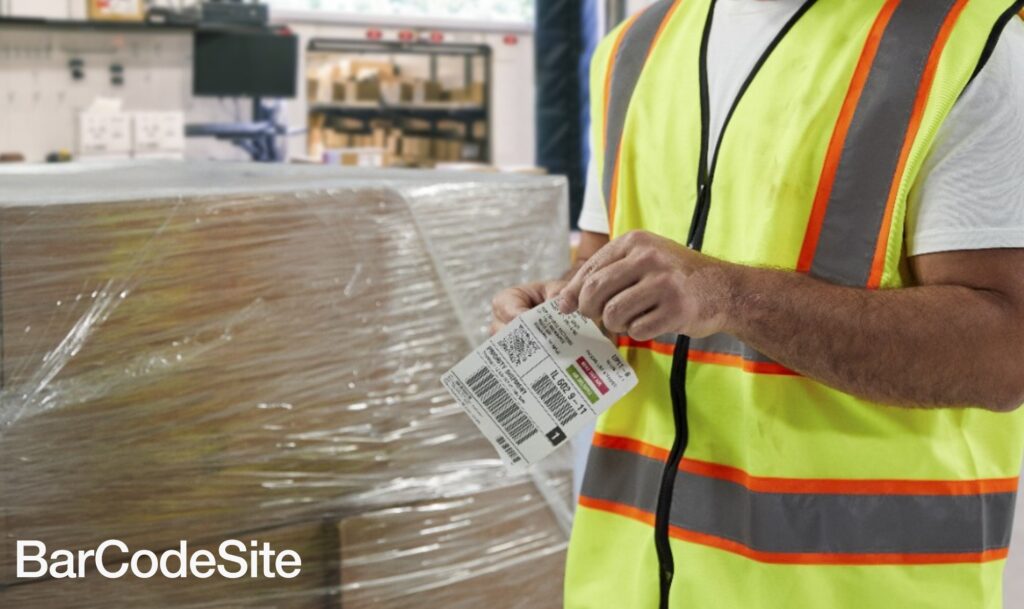
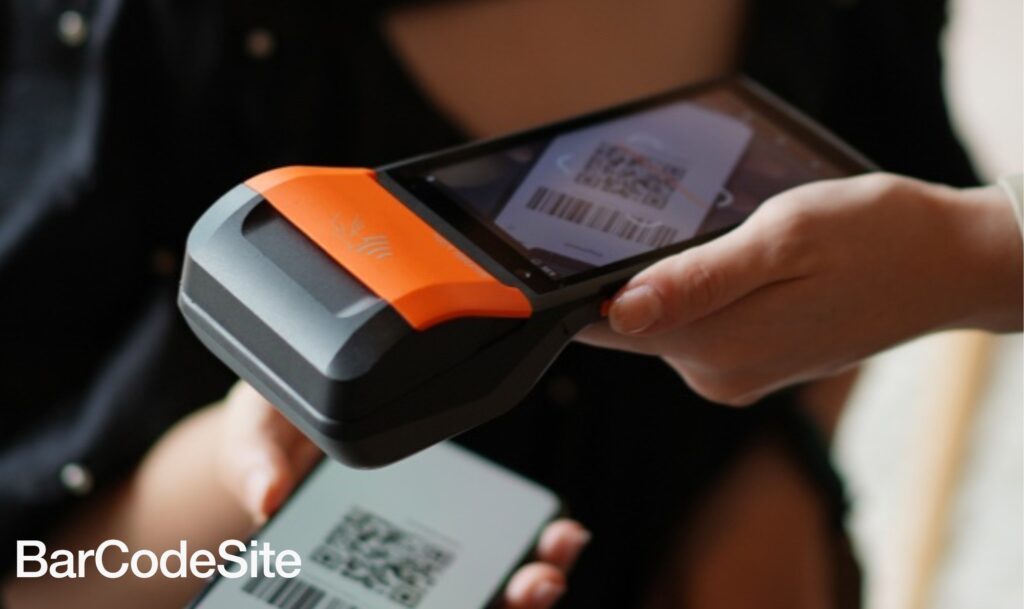
Inventory management and logistics have changed radically thanks to warehouse automation. Systems that incorporate barcode scanners not only speed up processes but also reduce errors, improve efficiency, and allow businesses to scale operations without increasing unnecessary costs. Warehouse automation with barcode scanning is transforming logistics and inventory management in e-commerce and large enterprises.
Why Automate a Warehouse with Barcode Scanners?
- Reduction of human errors: Scanning ensures that the correct products are moved, packed, and shipped.
- Higher operational speed: Barcode scanners allow large volumes of products to be processed in less time.
- Real-time visibility: Every movement is automatically recorded, improving inventory control and reducing losses.
- Integration with management software (ERP/WMS): Scan data feeds directly into inventory systems, preventing duplicates and inconsistencies.
Key Components of an Automated Warehouse with Barcode Scanning
1. Handheld and Fixed Barcode Scanners
Handheld scanners allow operators to register products while moving through the warehouse. Fixed scanners, installed at strategic points, automatically read barcodes as products pass on conveyor belts.
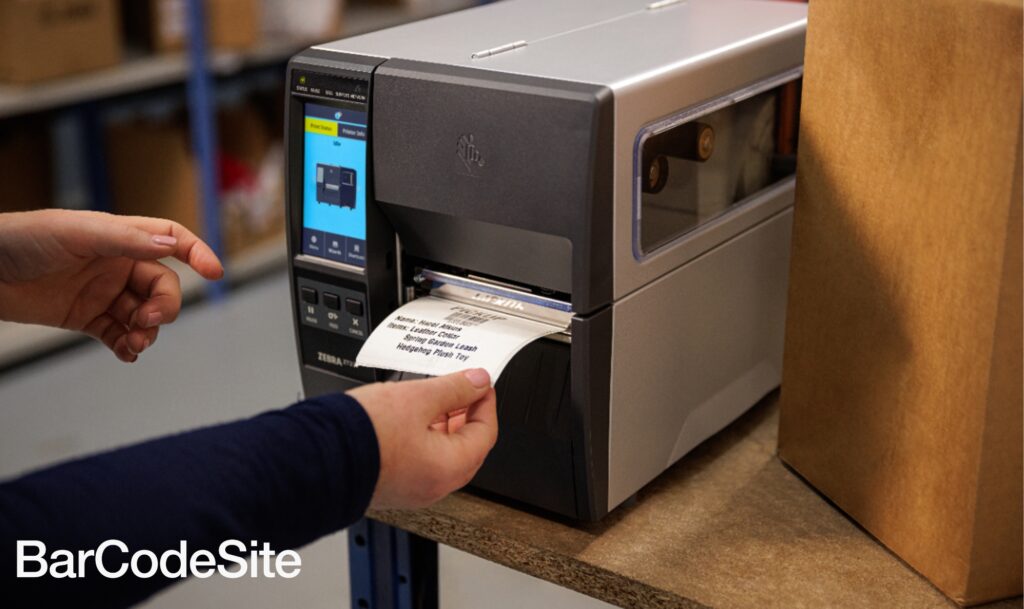
2. Label and Barcode Printers
These enable the creation of readable barcodes for each product or package, ensuring full traceability.
3. Inventory Management Software
Automatically records scan data, updating quantities, locations, and product movements in real time.
4. Automated Transport and Handling Systems
Conveyor belts, picking robots, and packing stations synchronize with barcode scanners to automate tasks.
Concrete Benefits of Automation with Barcode Scanning
| Benefit | Practical Example |
|---|---|
| Error reduction | Location and product mix-ups are eliminated thanks to mandatory scanning before dispatch. |
| Increased speed | Faster picking and packing with instant barcode reads. |
| Real-time inventory | Each product is automatically recorded when entering, moving within, or leaving the warehouse. |
| Space optimization | Robots and automated systems reorganize products based on demand and turnover. |
Want to optimize your warehouse with next-generation barcode scanners?
Discover our range of barcode scanners and inventory solutions designed to make your operation faster and more accurate.
Warehouse Automation Trends for 2026
- AI and machine learning integration: Systems that predict demand, optimize picking routes, and recommend stock replenishment.
- Collaborative robotics (cobots): Robots working alongside humans, using barcode scanning to identify products and locations.
- Hands-free scanning and wearables: Operators use gloves, smart glasses, or wrist devices to scan products without interrupting workflow.
- IoT connectivity: Each barcode scanner communicates with sensors and software to optimize operations in real time.
Best Practices for Implementing Barcode Scanning in Automated Warehouses
- Ensure uniform and readable labeling for all products.
- Keep barcode scanners calibrated and properly maintained.
- Use software compatible with all scanning devices.
- Train operators on scanner usage and automation protocols.
- Continuously monitor operations to detect errors in real time.
Conclusion
Warehouse automation with barcode scanning is essential for businesses handling large inventory volumes. It improves efficiency, reduces errors, and provides real-time visibility, resulting in faster, safer, and more reliable warehouse operations.
The efficiency, accuracy, and real-time visibility delivered by this technology help reduce costs, increase operational speed, and improve customer satisfaction.
In 2026, the combination of advanced barcode scanners, intelligent software, and robotics is taking logistics and warehousing to a whole new level, making human errors almost a thing of the past.
Power Up Your Warehouse with Advanced Technology
Request a free demo or a quote and discover how automation with barcode scanning can transform your business.
Contact Now